
Invisible Spending: The Decisions We Don’t See
When we run our Money Wise workshops, one of the big questions we always ask is simple:
“Who’s bought something recently?”
You’d think it would be easy to answer. Yet time and again, lots of young people don’t even put their hands up.
At first, it feels strange—because we know they’re buying things all the time. But when you dig a little deeper, it makes perfect sense. If they haven’t physically handed over money, they don’t think they’ve spent anything.
And that’s where it gets interesting – Are Buying Decisions Only About Handing Over Money?
Recently, I was doing some market research with teenagers — around 13 to 16 years old — as we shape the next evolution of Make Sense of Pence for secondary schools.
We asked them how many buying decisions they thought they’d made over the last few days.
Most said one or two.
The conversation got even better when we asked about spending someone else’s money (like parents topping up a lunch account or paying for things on their behalf).
If it wasn’t their own money, they didn’t even count it as a buying decision. However, every time they chose what to eat at lunch, what to wear, what to click on online — they made a decision that involved money somewhere.
Whether they felt it or not.
Spending Without Seeing
It’s not just about kids tapping a card or a fingerprint to pay. It’s not even just about cashless society habits.
We’ve been spending invisibly for a lot longer than that.
- Leaving lights on
- Turning on the TV and walking away
- Running the heating longer than needed
- Charging gadgets overnight
All those little actions cost money — but because you don’t see the pound signs immediately, you don’t think about them that way.
We’re spending money invisibly every day — and so are our children — without even realising it. And that’s a really important piece of financial education that often gets missed.
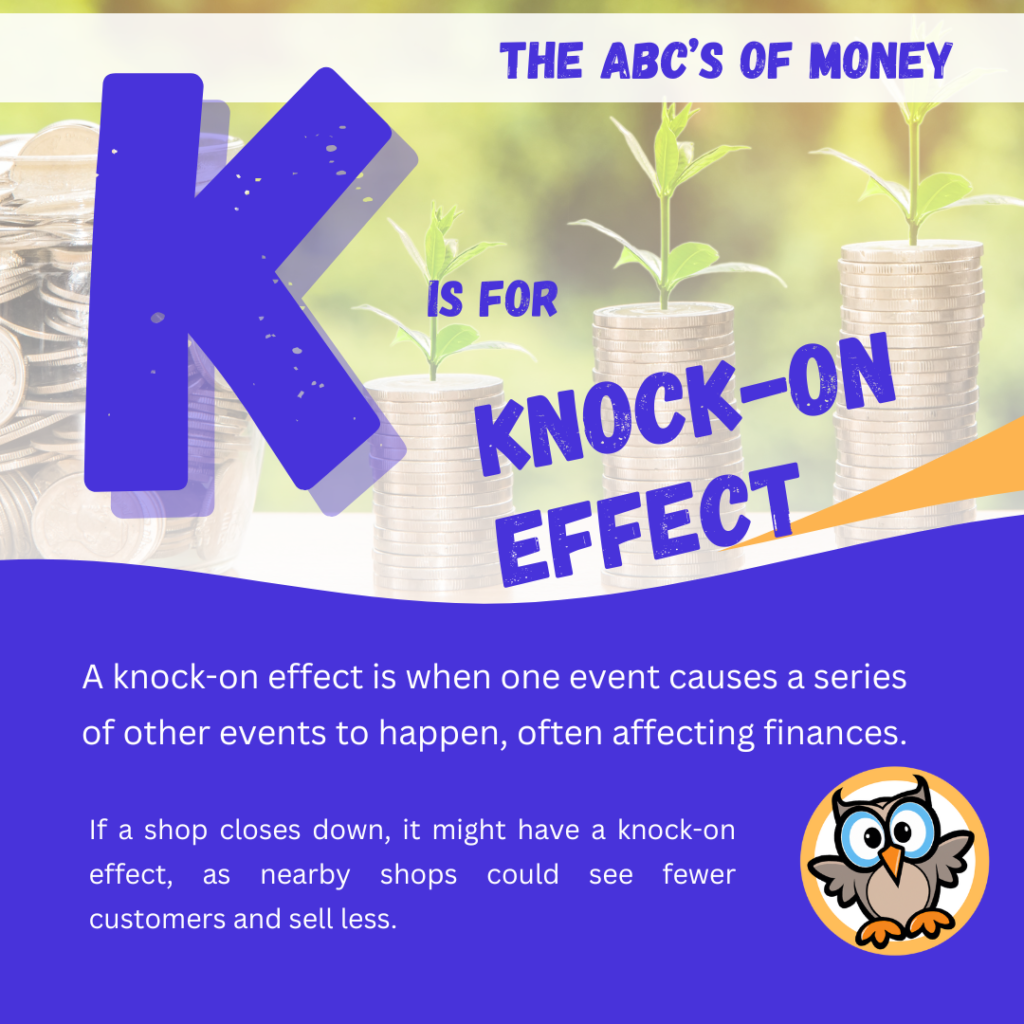
It reminded me of my own days at university. We all split the electricity bill equally. However, one housemate had a TV, DVD player, computer, stereo, and everything you could think of plugged in 24/7. Meanwhile, the rest of us barely had a bedside lamp. We all paid the same — but some of us were “spending” far more invisibly.
It’s the same with young people today.
Choosing to leave a light on isn’t just about wasting electricity; it’s about making an unconscious financial decision.
It’s a buying decision — they just don’t see it yet.
Why This Matters
It would be easy to think, “Ah well, they’ll learn when they get their first energy bill.”
But by that time, some habits are already ingrained.
If we can help young people understand now that nearly every action has a financial consequence — whether it’s buying a coffee or leaving the TV on all day — then we’re helping them build a much deeper, healthier relationship with money.
It’s not about creating fear around spending.
It’s about creating awareness — and giving them the tools to think critically about the decisions they make, big and small.
Because money isn’t just numbers on a bank statement.
It’s hundreds of tiny choices, made every day.
If we keep helping young people see beyond the obvious — beyond “spending = handing over cash” — we’ll set them up to be far more financially resilient in the future.
Sometimes it’s the decisions they don’t see that matter the most.